
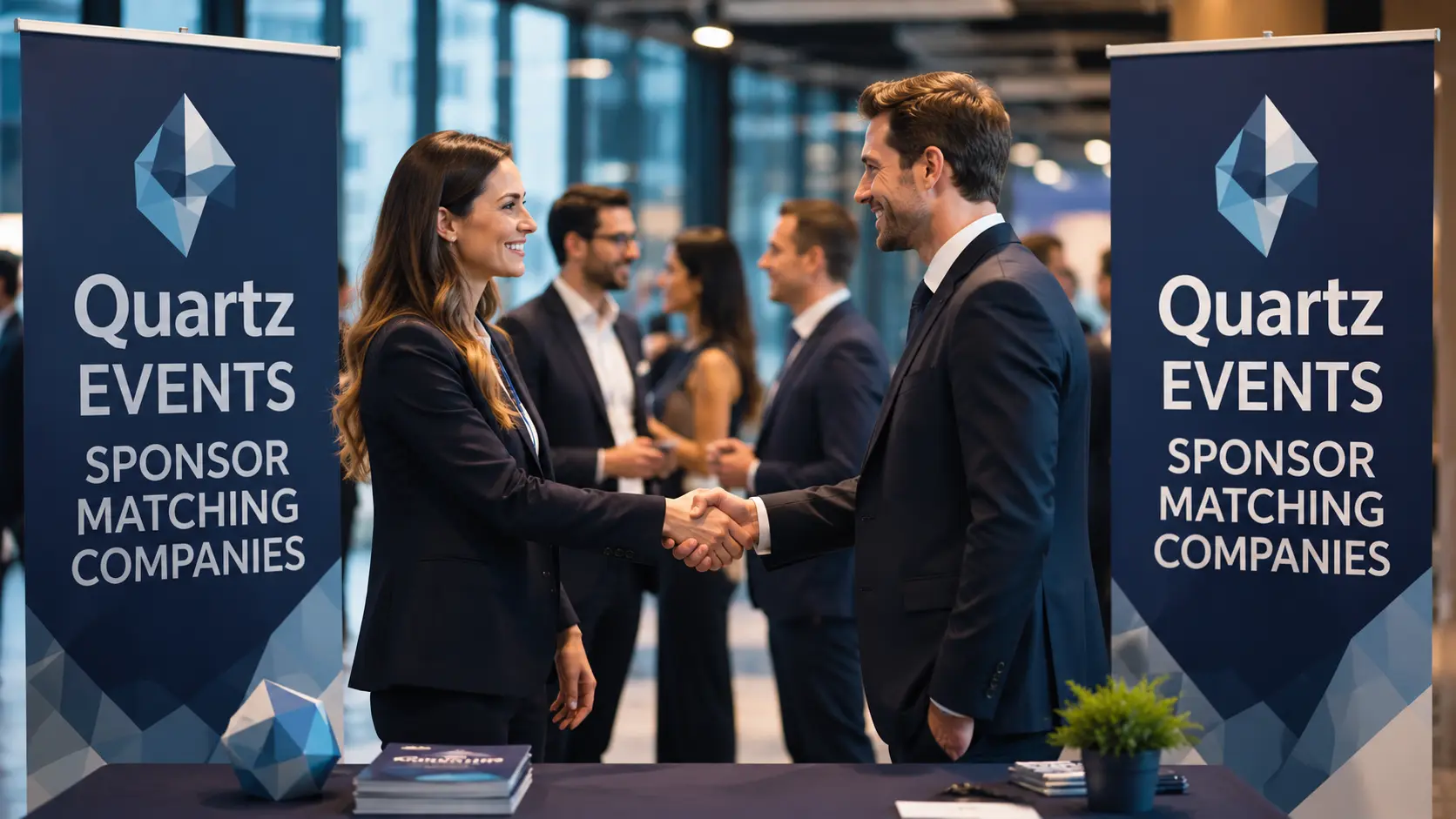
Booth space and a banner used to be enough to call yourself a sponsor. That model rarely delivers results anymore. Which is why quartz events sponsor matching companies have become the go to solution for B2B brand that want real conversations with real decision makers instead of foot traffic that never converts.
If you sell software consulting or any high value service to senior executives, understanding how these matchmaking platforms operate can change how you budget your entire event marketing strategy. This guide breaks down the model, who benefits most and how to get measurable value from it.
What Quartz-Style Sponsor Matching Actually Means
Quartz style sponsorship flips the traditional conference model on its head. Instead of paying for a booth and hoping the right person walks by sponsors pay for guaranteed. Pre-scheduled meeting with executive who have already been screened for fit.
This shift matters because B2B buying cycles have long and involve multiple stakeholder. A generic booth conversation rarely moves a deal forward. A 20 minute meeting with a VP who has already shared their budget, timeline and pain points have.
How the Matching Process Works
The matching engine behind these platforms relies on structure. Data collected from both side of the marketplace before anyone steps into a room and logs into a video call.
Executives complete a detailed intake process covering their current operational challenges, upcoming projects and purchasing authority. Sponsors submit an ideal customer profile describing company size industry job titles and the specific problems their product solves.
Once both data sets exist inside the platform, an algorithm cross references executive pain points against sponsor solutions. A supply chain leader struggling with delivery visibility gets paired with a logistics software vendor built for exactly that problem.
The Double Opt-In Step That Sets This Model Apart
Most matching platforms use a double opt in process before any meeting gets locked into the schedule. Sponsors review a shortlist of matched executives and select who they most want to meet. Executives review a list of relevant vendors and choose who they are open to speaking with.
A meeting only happen when both sides say yes. This removes the awkward and forced pitch that plagues traditional trade. Show interactions and replace it with a conversation both parties actually want to have.
Why Businesses Choose This Sponsorship Model Over Traditional Booths
Companies increasingly search for quartz events sponsor matching companies because the return on a guaranteed meeting is far easier to measure than the return on a scanned badge. Sales leaders can forecast pipeline from a fixed number of qualified conversations in a way they never could from general booth traffic.
The model also respects everyone’s time. Executives attend for a handful of hours instead of blocking off three full days and sponsors walk into every meeting already knowing the prospect’s budget range and evaluation timeline.
Traditional Trade Shows vs. Matchmaking Events
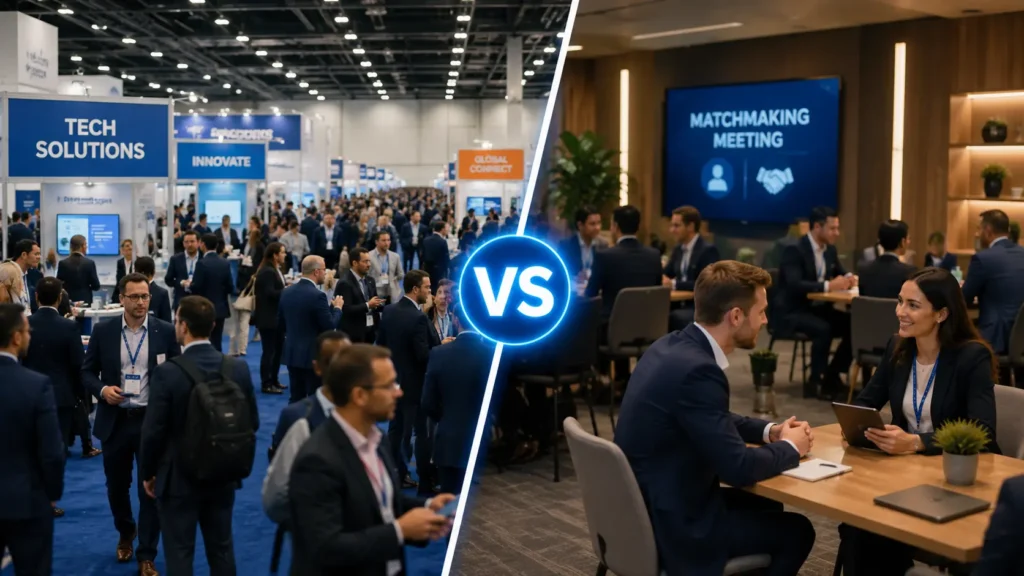
| Factor | Traditional Trade Show | Sponsor Matchmaking Model |
| Meeting guarantee | None, relies on foot traffic | Fixed number of scheduled meetings |
| Prospect data | Learned during the conversation | Provided in advance |
| Attendee quality | Mixed, includes non-decision makers | Pre-vetted senior executives |
| Time commitment | Multiple days | Often a single day or a compressed week |
| Success metric | Badges scanned | Meetings held and pipeline generated |
Who Sponsors These Events
Sponsorship on quartz-style platforms tends to cluster around function specific tracks, since each track pulls in a distinct type of executive buyer.
HR-focused tracks attract payroll platforms, recruiting software, and employee benefits providers. Finance tracks draw ERP vendors, accounts payable automation companies and treasury management tools. Supply chain tracks bring in warehouse automation, freight optimization and procurement software companies, while marketing tracks see CRM, customer data platform, and ad tech sponsors.
Industries That Get the Most Value
B2B software companies with long sales cycles tend to see the strongest results from this model. Since a single warm introduction can be worth months of cold outreach. Consulting firms and professional service providers also do well because these meetings function more like strategy sessions than sales pitches.
Companies selling directly to consumers or those without a clearly defined solution for a specific executive function. Usually find less value here. The model rewards precision targeting, not broad brand awareness.
What Sponsors Receive Before Every Meeting
Sponsors typically get a prospect brief ahead of each scheduled conversation. That brief usually includes:
- A description of the executive’s core operational challenge
- Their current software or vendor stack
- Whether they hold sole budget authority or sit on a buying committee
- The scope and expected timeline of the upcoming project
This level of preparation turn what would otherwise be a cold pitch into a focused and relevant conversation from the first minute.
Getting the Most Out of a Sponsorship Package
Buying a package has only the first step. Sponsors who treat every meeting as a generic pitch tend to underperform. Businesses increasingly rely on AI-generated business content to create these resources faster. While those who tailor each conversation to the executive’s stated challenge see much stronger follow up rates.
Bring senior sales engineers who can answer technical questions on the spot. Rather than promising to follow up later. Prepare a fast personalized follow up email or resource within 24 hours of each meeting. Since interest fades quickly once the event ends. Sponsors who also contribute a whitepaper or case study to the platform’s content library often get noticed by executives before meetings are even confirmed.
Choosing the Right Sponsor Matching Platform
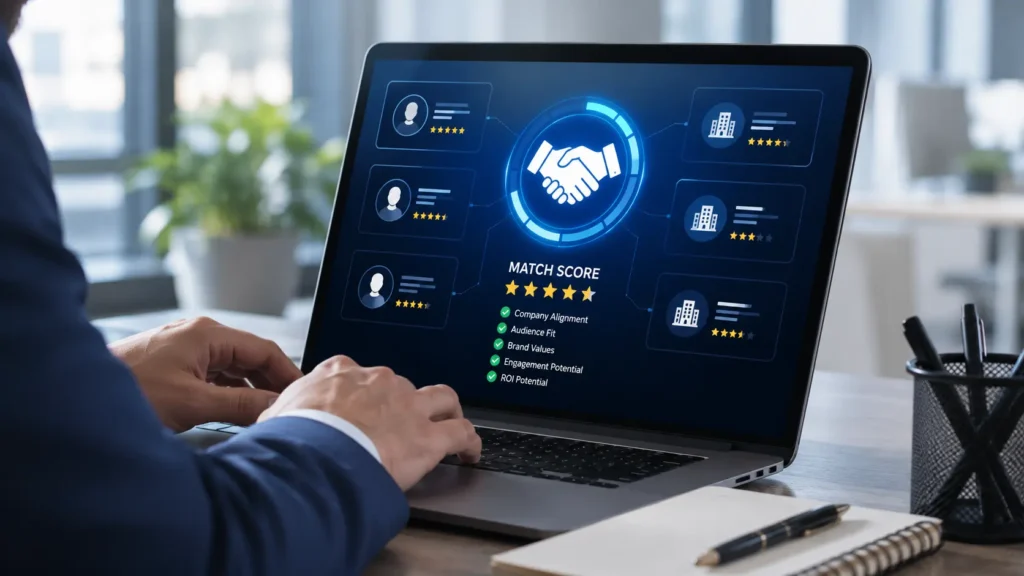
Not every platform delivers the same quality of match. So it helps to compare a few factors before committing budget.
Look for a platform with a strong track record in your specific vertical transparent pricing and clear reporting on meeting outcomes. Companies should also evaluate the vendor’s technology roadmap and long-term growth. Ask how qualification data is collected and how recently attendee profiles were updated. Since stale intent data leads to weak matches regardless of how polished the platform looks.
Final Thoughts
Quartz events sponsor matching companies represent a meaningful shift away from exposure based sponsorship toward outcome based partnerships built on real data and mutual interest. For B2B company with a clear solution and a defined executive buyer, the guaranteed, pre-qualified meeting model tends to deliver far more measurable pipeline than a traditional booth ever could.
FAQs
How to get companies to sponsor events?
Build a clear audience profile then approach companies whose customers match your attendees. Offer a simple sponsorship deck with attendance numbers past results and tiered packages. Follow up quickly and make the ask specific not generic.
What are the 4 types of sponsorships?
- Financial sponsorship (cash for benefits)
- In kind sponsorship (products or services instead of cash)
- Media sponsorship (promotion and exposure)
- Partnership sponsorship (co-branded involvement in planning or content)
How much do event sponsors pay?
Costs range widely and from a few hundred dollars for a local meetup to six figures for national conferences. Price depends on audience size sponsorship tier. Exclusivity and the number of guaranteed touchpoints or meetings included.
How to find brands for sponsorship?
Research companies already marketing to your audience or sponsoring similar event. Check industry publications in competitor events and LinkedIn for decision makers. Sponsor matching platforms and databases can also speed up this research.