
Running a recovery residence means juggling bed assignments, rent collection, drug testing schedules, and compliance paperwork, often with a small staff stretched thin. That’s exactly why more operators are turning to recovery home management software solutions to replace the patchwork of spreadsheets, sticky notes, and generic apps that were never built for sober living.
The right platform doesn’t just digitize your paperwork. It connects every part of your operation, from the moment a prospective resident applies to the day they graduate into alumni status, so nothing slips through the cracks and your staff spends less time on data entry and more time supporting residents.
Understanding Recovery Home Management Software Solutions
At its core this category of software has built specifically for the day to day realities of sober living homes, halfway houses and transitional housing programs. It handles intake, housing, billing, testing and reporting inside one connected system rather than five disconnected tools.
Unlike a general purpose CRM or a property management app repurposed for recovery housing, purpose built platforms already understand things like randomized drug test scheduling, resident phase tracking and the specific documentation auditors expect to see during a state or NARR review.
Why Generic Tools Fall Short for Recovery Housing
Many small operators start with a mix of spreadsheets, a payment app and a shared messaging group. It works for a while, then it doesn’t.
The problems tend to show up in predictable places
- No native way to schedule or randomize drug tests
- Billing that can’t handle payment plans, partial payments, or insurance coordination
- Zero built-in protections aligned with 42 CFR Part 2 for substance use records
- House managers who resist logging into three separate apps to do one job
- No single source of truth when an auditor asks for a resident’s full history
Core Capabilities Every Platform Should Offer
Before comparing vendors, it helps to know what “complete” actually looks like. A strong platform should cover four functional pillars: resident management, financial operations, compliance and safety, and day-to-day operations.
Resident management covers intake forms, bed assignment, house agreements and progress notes in one resident profile. Financial operations can automate rent charges, late fee and payment reminders and ideally sync with accounting tools like QuickBooks. Operations tools should give house managers a mobile friendly way to log incidents, assign chores and communicate with the team in real time.
Compliance and Safety Features to Prioritize
Compliance is where recovery housing software earns its keep, since a missed audit trail or an expired consent form can create real regulatory exposure. When evaluating platforms, look closely for the following
- Automated, timestamped audit logs for every action taken in the system
- Role-based access controls so sensitive resident data is only visible to authorized staff
- Digital consent management with expiration alerts, aligned with 42 CFR Part 2 requirements
- Randomized drug testing schedules with chain-of-custody documentation
- State-specific reporting templates that adjust to your facility’s jurisdiction
- Incident reporting workflows that escalate automatically to the right supervisor
Comparing Software Categories and Costs

Pricing varies widely depending on how comprehensive the platform is and how much of the work is done for you versus built in-house. The table below breaks down what operators can typically expect as of 2026.
| Platform Type | Monthly Cost | Best Fit | Setup Time |
| Purpose-built, full-featured | $150-$400/facility | Operators who want everything connected out of the box | Days to 2 weeks |
| Purpose-built, basic tier | $80-$220/facility | Single-home operators with simple needs | Days |
| Adapted generic CRM | $250-$600/user plus setup fees | Larger organizations with dedicated IT staff | 3-6 months |
| Fully custom-built | $200,000+ upfront | Enterprise networks with unique requirements | 12+ months |
For most operators managing one to five homes and a purpose built platform delivers the best balance of cost, speed to launch and feature depth without requiring an internal development team.
Calculating Return on Investment
The financial case for switching from manual processes to dedicated software usually comes down to two things like time recovered and revenue protected.
A typical mid sized facility can save fifteen to twenty hours of administrative work per week simply by automating billing reminders, drug test scheduling and report generation. That time translates directly into either payroll savings or hours redirected toward resident care and outreach.
On the revenue side, automated late-fee tracking and faster billing cycles reduce the amount of rent that quietly falls through the cracks each month. Combined with better occupancy tracking, most operators recover the cost of their software subscription many times over within the first year.
Implementation Best Practices
Switching platforms has a project not a single afternoon task and rushing it has the most common reason adoption fails. Give yourself two to three weeks upfront just to document current pain points and get buy in from house managers before you start trialing vendors.
During the trial period, test the mobile experience with real staff doing real rounds, not just a desktop demo in a conference room. Migrate a small batch of resident and financial records first, confirm the data landed correctly and only then move the rest of your history over.
Plan for a pilot rollout at one facility before expanding company wide and keep a fast channel open for staff questions during the first two weeks. Most adoption problems have training problems not software problems.
Choosing the Right Fit for Your Facility Size
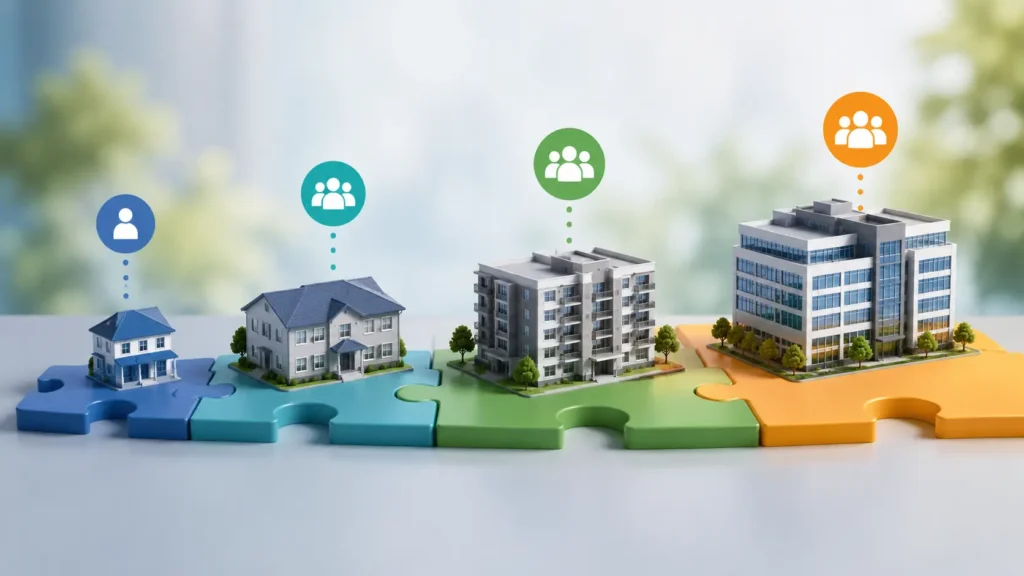
A single home under twenty five beds can often run comfortably on a basic tier platform and provided there has a clear plan to upgrade if the operation grows. Trying to save a few dollar a month by staying on spreadsheets almost always costs more in staff hours than the subscription can have.
Mid sized operators running three to ten home benefit most from automation depth like centralized reporting across locations, consistent compliance tracking and integrations with existing accounting or clinical systems. Larger networks with ten or more homes should prioritize enterprise security, dedicated account support and analytics that make sense of data across dozens of properties at once.
Final Thoughts
Choosing among recovery home management software solutions ultimately comes down to matching the platform’s depth to the complexity of your operation today and to where you expect it to be in two or three years. Operators who invest in a connected system early tend to avoid the painful, expensive migrations come from outgrowing a tool built for something simpler.
Take the time to trial a few platforms with real operational data, involve your house managers in testing and weigh total cost of ownership rather than just the sticker price. The right software cann’t just organize your paperwork and it will give your team back the hours they need to focus on residents.
FAQs
What is recovery house software?
Recovery house software is a purpose built platform that manages the day-to-day operations of sober living homes and halfway houses like resident records, bed assignments, rent collection, drug testing and compliance documentation. All inside one connected system rather than scattered spreadsheets and apps.
What does Sobriety Hub do?
Sobriety Hub is a sober living management platform built specifically for recovery residence owners and managers, covering resident records, a resident mobile app, and automated payment collection, and is designed to serve as the operating backbone for sober living businesses ranging from under 10 beds to more than 450 beds.
Can sober living homes get grants?
Yes, but with a major caveat like most federal grant dollars flow through states and have restricted to nonprofits and government entities rather than individual for profit homes. For profit operators typically need a nonprofit partner, fiscal sponsor and their own 501(c)(3) status to access this funding.
Is Sobriety Hub highly rated?
As of early 2026 Sobriety Hub holds a 5.0 star rating on Capterra, an independent, verified software review platform where reviews have submitted directly by customers and can’t be edited by the vendor.