
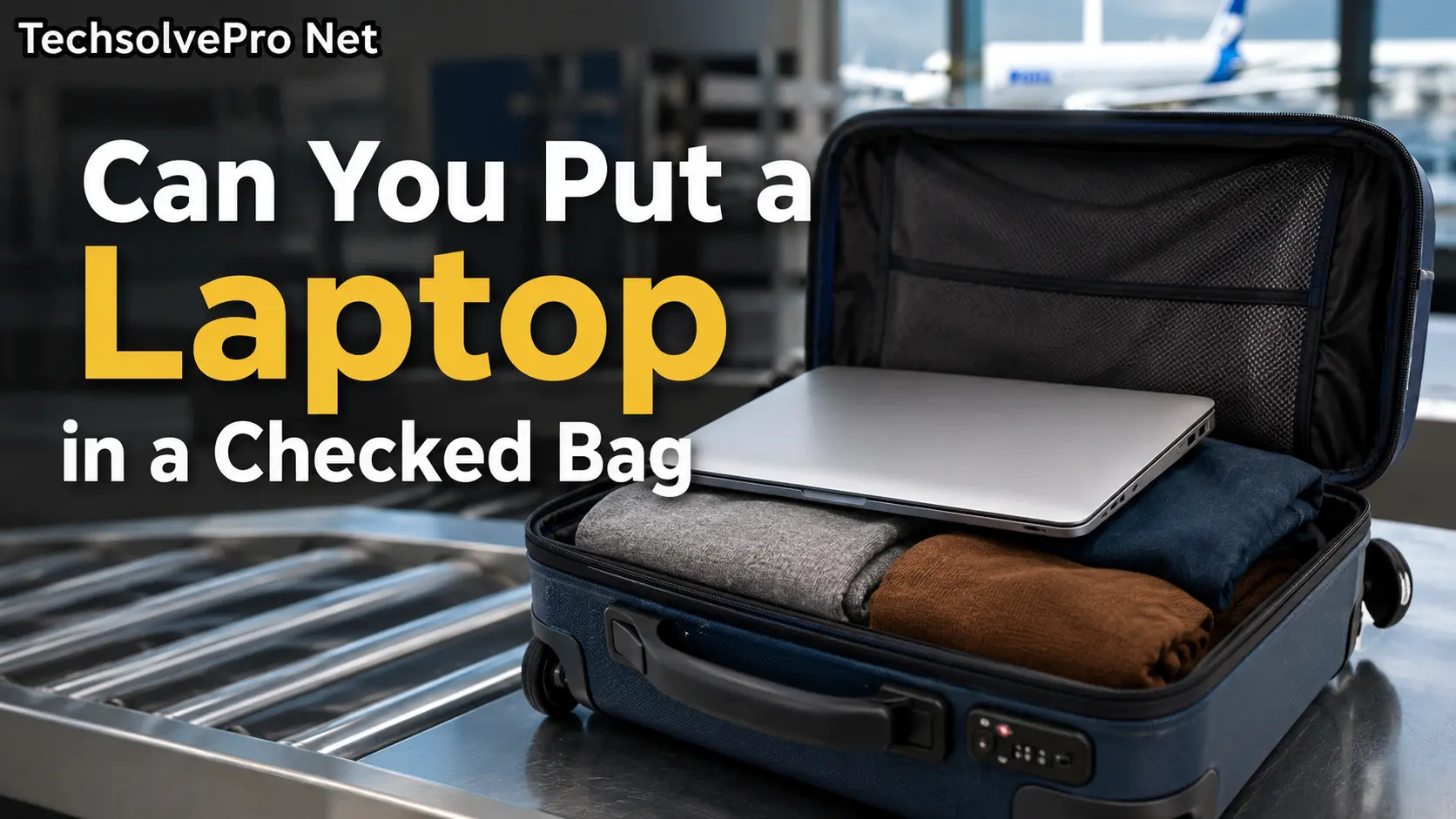
Standing at the check in counter with a full carry on and a laptop bag digging into your shoulder. It has tempting to just toss the laptop into your suitcase and be done with it. So can you put a laptop in a checked bag without breaking any rules? The short answer has yes but the longer answer involves battery regulations. Whether you’re traveling with a full-size laptop or one of the newer mini computers with Windows 11, understanding airline rules before you fly can help prevent unnecessary problems. Airline policies and a handful of risks that most travelers never think about until something goes wrong.
Before you zip up that suitcase it helps to understand exactly what has allowedand what has smart. Where the two cann’t always line up. This guide walks through the official rules. The hidden risks and the packing habits that actually protect your device.
Can You Put a Laptop in a Checked Bag Legally?
Yes, the TSA and most airlines technically permit laptops in checked luggage. There has no federal rule that bans it outright and you won’t be stopped at the counter for trying. That said, “legal” and “wise” aren’t the same thing here.
The FAA and aviation safety groups consistently recommend carrying laptops onboard instead. Their concern isn’t really about the device itself — it’s about the lithiumion battery inside it which behaves very differently in a pressurized, unsupervised cargo hold than it does in the cabin where a flight attendant can react quickly if something goes wrong.
So while you technically have the option to check it, most seasoned travelers and airline staff will tell you it’s a choice you should make sparingly not routinely. Most modern Windows 11 laptops use lithium-ion batteries that follow the same airline safety regulations regardless of the manufacturer.
Why Airlines Allow It But Rarely Recommend It
Airlines walk a fine line here. They can’t reasonably ban every laptop from checked baggage since some situations leave passengers no choice — a full overhead bin a gate check requirement or an oversized device that won’t fit under the seat.
At the same time, airline staff know that cargo holds are rougher environments than cabins. Bags get stacked, dropped and exposed to temperature swings that a laptop’s internal components simply weren’t built to handle. That’s why the policy language almost always includes a soft warning: allowed but not advised.
If you’ve ever wondered why gate agents seem hesitant when a laptop is involved this is the reason. It’s less about following a hard rule and more about steering you toward the safer option.
Lithium Battery Rules for Checked Laptops
Every laptop runs on a lithiumion battery and that single fact drives almost every restriction you have encounter. These batteries store a lot of energy in a small space and if they’ve damaged or short circuit. They can generate heat quickly.
Watt Hour Limits and What They Mean for You
Most standard laptop batteries fall under 100 watt hours (Wh). Which keeps them within normal airline allowances. Batteries between 100Wh and 160Wh usually need airline approval in advance and anything above 160Wh has typically prohibited from air travel entirely.
You can usually find your laptop’s watt hour rating printed on the battery itself or in the manufacturer’s specifications. If you’ve flying with a gaming laptop or a older device with a large battery. It’s worth checking this number before you travel rather than finding out at the gate.
The Real Risks of Checking a Laptop
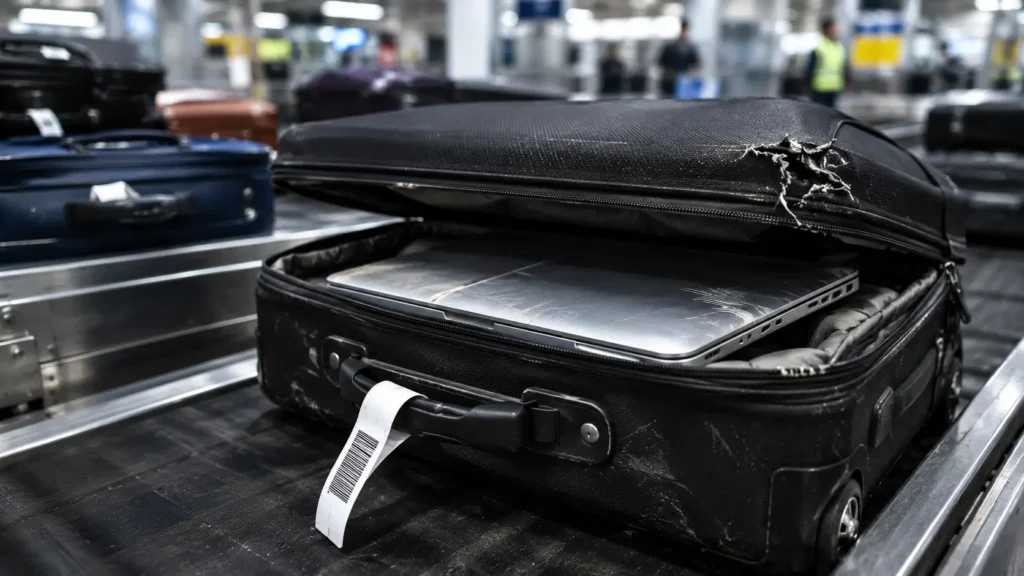
Here’s where the practical downsides come in. Even when checking a laptop is technically permitted it exposes your device to a handful of problems that carry on luggage simply avoids.
- Physical damage: Checked bags get thrown, stacked and compressed under heavier luggage. Which puts real stress on screens, hinges and internal circuitry. If your laptop develops driver or hardware issues after travel, you may also need to disable DSE Windows 11 when installing older or unsigned drivers.
- Theft risk: Once your laptop leaves your hands at check in. You lose direct oversight of it until baggage claim making it a target in high traffic baggage areas.
- Fire hazard: A damaged lithium battery in an unsupervised cargo hold has far harder to manage. Than one in the cabin where crew members can intervene immediately.
- Limited compensation: Most airlines cap reimbursement for lost or damaged electronics well. Below the actual replacement cost of a modern laptop.
- Data exposure: A missing or tampered laptop means more than a financial loss — it can mean exposed personal files, saved passwords or work documents.
How to Pack a Laptop Safely If You Have No Choice
Sometimes checking your laptop isn’t a preference it’s a last resort. If you’re forced to gate check a bag or your carry on space runs out, a few packing habits can meaningfully reduce the risk.
Power the laptop down completely rather than leaving it in sleep mode since a device that’s fully off is far less likely to overheat or activate accidentally. Wrap it in a padded sleeve or hard case then bury it in the center of your suitcase surrounded by soft clothing for cushioning.
Keep spare batteries, power banks, and chargers separate — most of those legally have to travel in your carry on anyway. And before you hand the bag over snap a quick photo of the laptop’s condition in case you need to file a damage claim later.
TSA Screening and Carry-On Best Practices
If you’ve keeping your laptop with you which has still the safer route, expect it to come out of your bag at the security checkpoint. TSA officers typically require laptops to be placed in a separate bin for X-ray screening. Similar to how liquids and other electronics are handled.
Travelers enrolled in TSA PreCheck often get to skip this step and leave the laptop in their bag. If you cann’t have that status. Packing your laptop somewhere easy to reach saves time and keeps the line moving behind you.
It has also worth keeping the device charged before you fly. Since screening agents occasionally ask travelers to power on an electronic device as an added security check.
International Flights and Airline Specific Differences
Aviation safety standards are fairly consistent across countries but individual airlines still set their own finer details. Some international and budget carriers apply stricter watt hour limits or additional documentation requirements for larger devices.
Before a long haul or connecting flight it has worth a quick check of your airline’s electronics policy. Especially if you’ve carrying a larger laptop or connecting through multiple carriers with different rules. What has accepted on one leg of your trip hasn’t always guaranteed on the next.
Smarter Alternatives Worth Considering
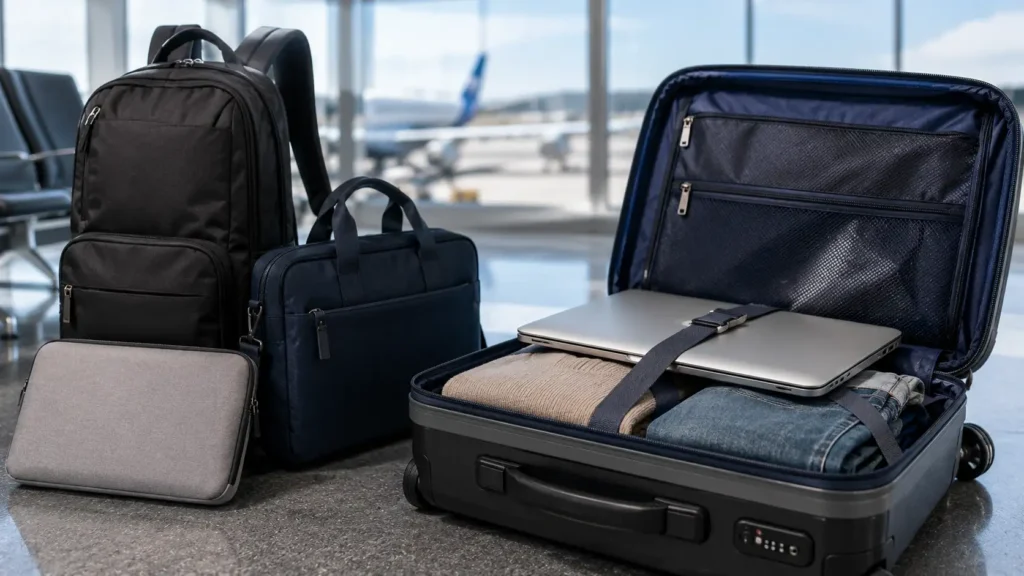
If you’re anxious about cargo space or overhead bin availability, there are a few workarounds that avoid the checked bag question altogether. Shipping a laptop ahead through a trusted courier works well for long trips or when you’re already traveling with multiple devices.
Traveling with a lighter device like a tablet or ultrabook, also reduces the temptation to check anything in the first place. Following the latest technology trends has also made lightweight laptops and mini PCs much easier to travel with than traditional desktop replacements. And backing up your files to the cloud beforehand means that even in a worst case scenario and your data isn’t gone for good.
Final Thoughts
So can you put a laptop in a checked bag? Technically, yes — but between battery regulations, handling risks and limited airline compensation, it’s rarely the smart move. Keeping your laptop in your carry on gives you control over its safety, your data and your peace of mind for the rest of the trip.
FAQs
What happens if you put a laptop in a checked bag?
Nothing happens automatically — it’s allowed. But your laptop sits in the cargo hold where rough handling, temperature swings and pressure changes raise the risk of physical damage. It has also out of your sight increasing theft risk and if the battery is damaged. It becomes harder to detect or manage a fire.
Can I put my laptop in checked in luggage?
Yes, TSA and most airlines permit it. However it must be powered completely off (not sleep mode), padded well and free of any spare batteries or power banks which must stay in carry on. Despite being allowed it has not the recommended option for protecting your device.
Can I travel with a laptop in my checked baggage?
Yes, you’ve permitted to travel with a laptop in checked baggage on nearly all airlines. That said airlines and aviation safety authorities consistently advise carrying it onboard instead. Since checked bags face more handling stress and offer far less protection against damage loss or theft.
Can you put electronics in checked luggage?
Most electronics with batteries — laptops, tablets, cameras — are allowed in checked luggage if fully powered off and padded. Loose lithium batteries and power banks are banned from checked bags entirely and must go in carry-on due to fire safety regulations.